
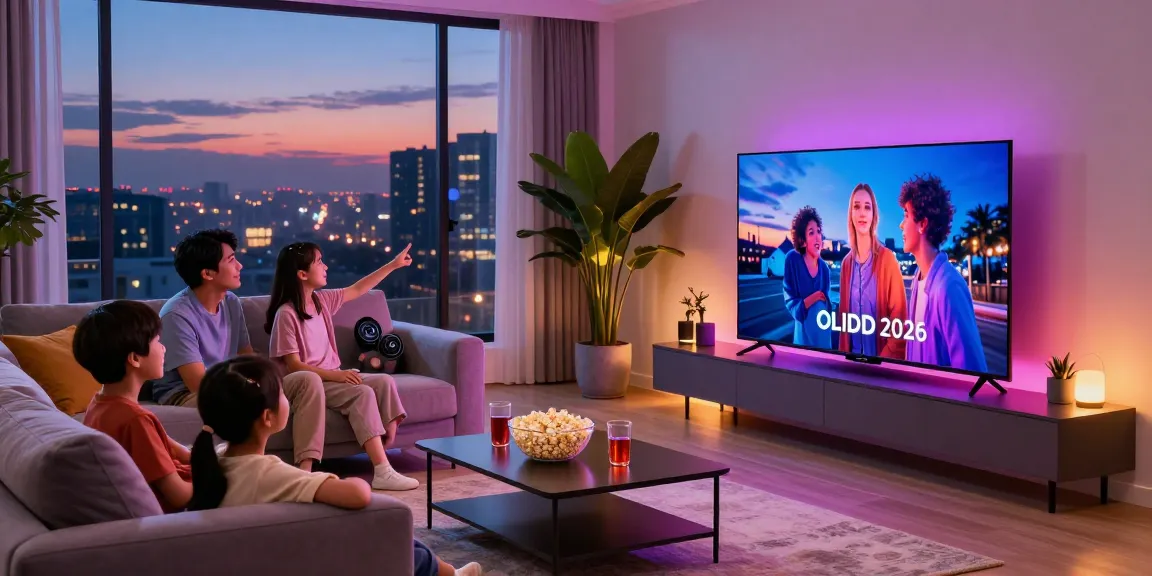
Introduction to OLED TV Technology in 2026
As the landscape of television technology continues to evolve, OLED (Organic Light Emitting Diode) TVs remain at the forefront of innovation in 2026. Known for their superior picture quality and vibrant color reproduction, OLED TVs have garnered a loyal following among home cinema enthusiasts and tech-savvy consumers alike. In this article, we will explore what makes OLED technology unique, the advancements it has undergone over the years, and what consumers can expect in this year. For a deeper exploration of current models and their features, check out this comprehensive overview of OLED TV 2026.
What is OLED Technology?
OLED technology is based on a series of thin layers of organic materials that emit light when electricity is applied. Unlike traditional LCD panels that require a backlight, each pixel in an OLED display produces its own light. This results in incredibly deep blacks and stunning contrast ratios, as pixels can be turned off completely to create true black. Additionally, OLED screens are incredibly thin and flexible, allowing for various design possibilities in modern televisions.
The Evolution of OLED TVs Over the Years
Since their introduction to the consumer market, OLED TVs have seen significant improvements. The early models struggled with issues such as burn-in and limited brightness. However, advancements in materials and manufacturing techniques have led to more durable panels with increased brightness and color accuracy. The launch of new technologies, such as OLED evo and white OLED, has further enhanced the viewing experience, making these TVs an attractive option for consumers in 2026.
Key Features of OLED TVs in 2026
- Improved Brightness: Modern OLEDs are brighter than ever, making them suitable for a variety of lighting environments.
- Enhanced Color Accuracy: With expanded color gamuts and better calibration, OLED TVs offer more realistic color reproduction.
- Advanced Gaming Features: Many 2026 models support high refresh rates, low input lag, and features like Variable Refresh Rate (VRR) for a smooth gaming experience.
- Smart Features: Integrated smart platforms provide access to streaming services, smart home control, and voice assistant capabilities.
Top OLED TV Models for 2026
Best Budget OLED TVs
For consumers looking for value without sacrificing quality, several budget OLED TVs have been well-received in 2026. Brands like LG and Vizio have launched models that deliver impressive performance at lower price points. These budget options still feature key OLED advantages, such as exceptional color depth and sharp contrast.
High-End OLED TV Recommendations
For those willing to invest more, flagship models from LG, Sony, and Samsung showcase the pinnacle of OLED technology. These high-end TVs come equipped with cutting-edge features, such as 8K resolution, advanced processing capabilities, and premium build quality designed for audiophiles and cinephiles alike.
OLED TVs for Gaming: Performance and Features
The gaming experience on OLED TVs in 2026 is unmatched, with manufacturers focusing on enhancing gameplay capabilities. Features such as HDMI 2.1 support, which allows for high resolutions and refresh rates, and auto low latency mode (ALLM) ensure gamers can enjoy fast-paced titles with minimal lag. With models specifically designed for gaming, players can experience smoother graphics and improved responsiveness.
Comparing OLED with Other Display Technologies
OLED vs QLED: Which is Right for You?
When it comes to comparing OLED with QLED, both technologies offer unique advantages. QLED TVs, primarily from Samsung, utilize quantum dots for enhanced brightness and color saturation. However, OLED's ability to achieve true blacks and superior contrast ratios often gives it the edge for cinematic viewing experiences. The choice between OLED and QLED may ultimately come down to personal preference and specific viewing habits.
LED vs OLED: Understanding the Differences
Traditional LED TVs, while improved with features like local dimming, still rely on backlighting and often fail to match the black levels of OLEDs. In contrast, OLED's pixel-level lighting enables a more immersive viewing experience. This difference becomes particularly apparent in dark scenes, where OLEDs excel in delivering depth and clarity.
Future of OLED Technology: Innovations Ahead
Looking forward, the future of OLED technology appears promising. Companies are investing in research and development to enhance OLED's longevity and efficiency. Innovations such as microLED technology may eventually provide alternatives to OLED screens, but for now, OLED remains the leading choice for high-quality home entertainment.
Buying Guide: How to Choose the Perfect OLED TV
Key Specifications to Consider
When shopping for an OLED TV, be sure to pay attention to specifications that matter most to your viewing experience. Key factors include resolution (4K vs 8K), refresh rate, input options, and HDR format support. OLED TVs often come with various HDR formats like HDR10+, Dolby Vision, and HLG, so consider which formats you are likely to use.
Understanding Size and Placement
Screen size is another vital aspect. Depending on your room size, typically larger screens are better suited for immersive viewing. A general rule is to sit at a distance of 1.5 to 2.5 times the screen size for optimal experience. Additionally, consider the placement of your OLED TV to minimize glare and maximize viewing angles.
Accessories and Enhancements for Your OLED Setup
To fully capitalize on your new OLED TV, consider investing in quality accessories. A robust sound system or soundbar can enhance audio experiences, while smart home compatibility allows for seamless integration with your devices. HDMI cables that support HDMI 2.1 are essential for utilizing the full capabilities of your OLED TV.
Future Trends in the OLED TV Market
Price Trends and Predictions for 2026
As OLED technology continues to mature, price trends for 2026 indicate slight decreases in entry-level models while high-end televisions remain premium-priced. Competitors are focusing on making OLED more accessible to a broader audience, which could lead to more competitive pricing.
Upcoming Features to Look Out For
The future of OLED TVs may include advancements such as improved energy efficiency and even thinner designs with enhanced flexibility. There is also potential for integration with augmented and virtual reality technologies, further expanding the viewing experience beyond the traditional screen.
Consumer Preferences and Industry Insights
Consumer preferences are evolving, with a notable shift towards streaming services and 4K content. As a result, manufacturers are adapting their offerings to ensure optimal performance with modern media consumption trends, ensuring that OLED TVs accommodate how viewers watch content today and in the future.
What are the best OLED TVs in 2026?
The best OLED TVs of 2026 will likely include models from leading brands such as LG, Sony, and Samsung, highlighting advancements in display technology, smart features, and gaming capabilities. Reviews from trusted sources will help consumers make informed decisions based on performance and value.
Will OLED TVs get cheaper in 2026?
While flagship OLED TVs may maintain their premium pricing, entry-level models are expected to see price drops, making them more accessible. This trend is part of a broader initiative to make OLED technology available to a wider range of consumers while enhancing production efficiencies.
How do I choose the right size OLED TV?
Choosing the right size relies on the viewing environment. Room dimensions and viewing distance should dictate screen size selection. A larger screen can enhance immersion, but it should fit comfortably within your space without overwhelming it.
Can OLED TVs be used for gaming?
Absolutely! OLED TVs are increasingly favored by gamers due to their rapid response times, vibrant visuals, and enhanced refresh rates. Many new models are designed with gamers in mind, offering features like G-Sync compatibility and ultra-low latency.